Martyn and I were treated to a beautiful hummingbird dance in our dahlia garden today.
Enjoy!
Sandy Reid
1553 Seaview

With the days as long as they are, I thought I would do a little research on twilight. No it is not the books and movies about Vampires, but rather the actual phenomenon of twilight.
I was surprised to learn that there are three different twilights!
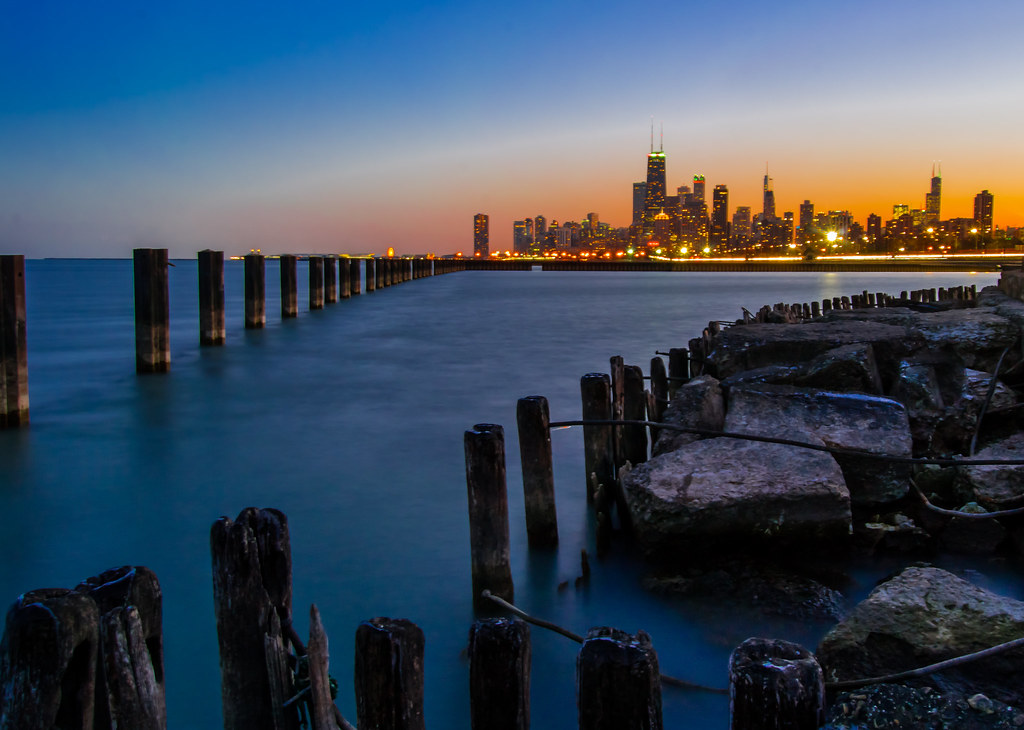
After the sun sets, Civil Twilight occurs a short time after when sun is between 0 and 6 degrees below the horizon. This is named as such because it is still light enough out that “there is sufficient natural light to perform most outdoor tasks without artificial lighting“. I would assume that there is no need to put on streetlights on during this period.

Nautical Twilight occurs occurs when the sun is between 6 and 12 degrees below the horizon. If you are a sailor, then you can still see the horizon with a naked eye (ie. the dividing line between the ocean and the sky). We really can’t see this here as we have the beautiful mountains in-between. But I can understand how this would be important for sailors.

Astronomical Twilight is when the sun is between 12 and 18 degrees below the horizon. This twilight “marks the boundary between a slightly glowing sky and a perfectly dark canvas“. This is important for astronomers if they want to examine faint objects in the sky. A really fun fact is that at our latitude here on Seaview, at this point in the year, we never leave Astronomical twilight in the summer… meaning that the sun does not go below 18 degrees and therefore there is no ‘true dark’ time during the night. But this is due to return soon on July 11th, were we will start to get true dark in the deep of the night.
A special thanks to Craig Hoskins who, while looking over the ocean in the evening the other day, was talking about various types of twilights and inspired me to look this up!
—-
Glenn Moore
1412 Seaview

Spectacular sunset after the storm on the night of June 16th.
Barb Staton
1524 Seaview
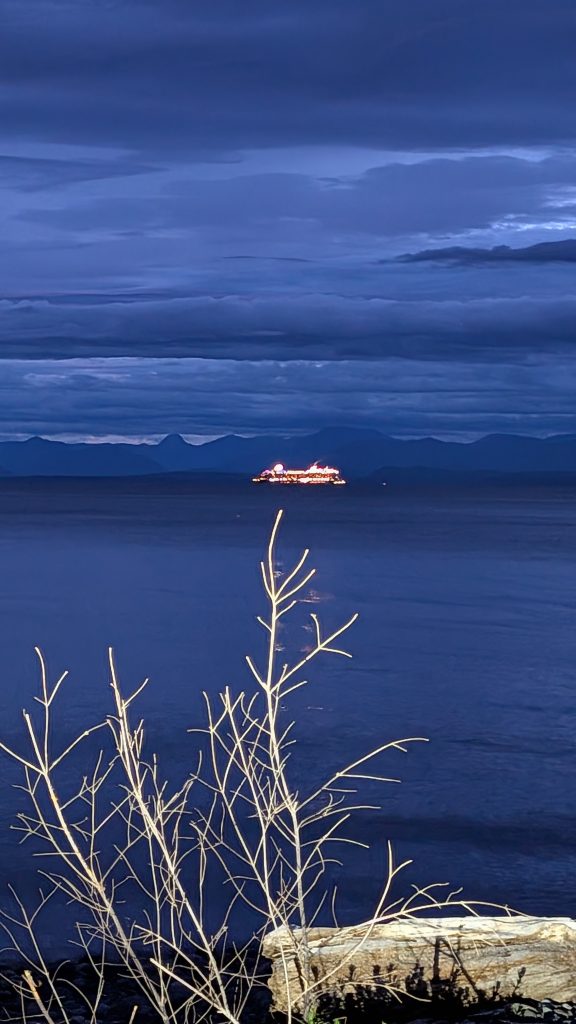
Hi Neighbors,
I took this shot of the gorgeous light display from last night. Martyn and I were tracking this cruise ship since my family was on board. We’re so fortunate to have magical moments like this so close by.
Sandy Reid
1553 Seaview

Dear friends and family,
We took a short break from visiting family in Stockholm to check out nearby Riga. Please find the link below.
Cheers,
Wayne and Doranne
The comment code is dorway
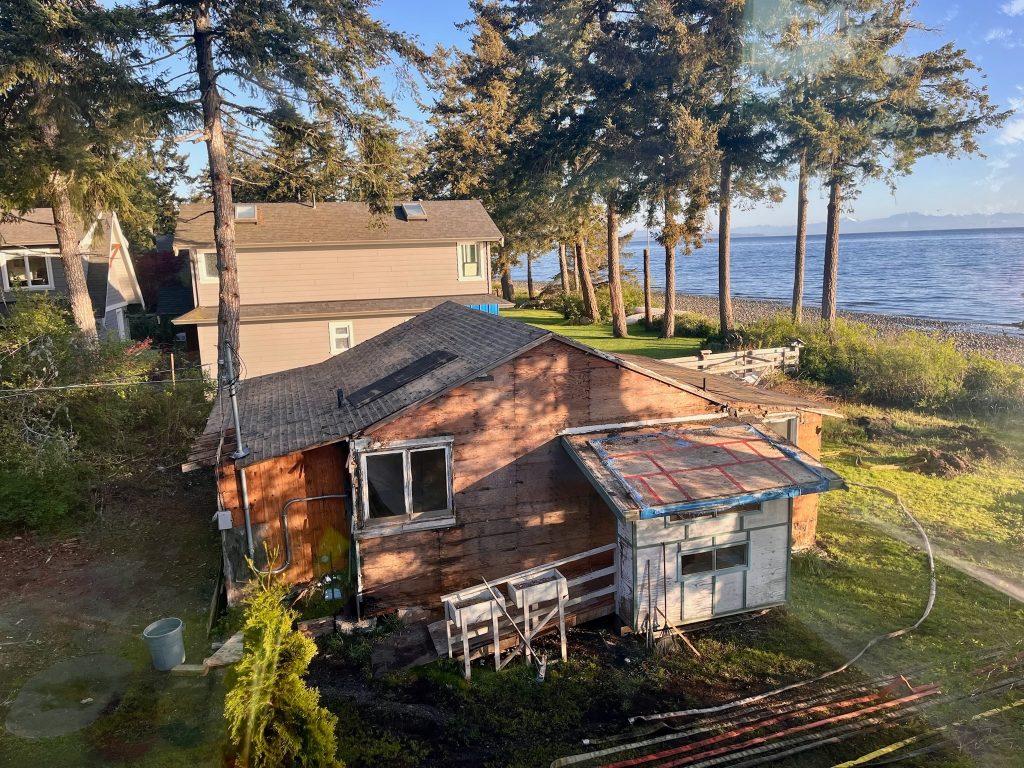
Recently, as a training exercise for the fire department, the old structure at 1418 was burned down. Here are some dramatic pictures of this interesting event on the street.









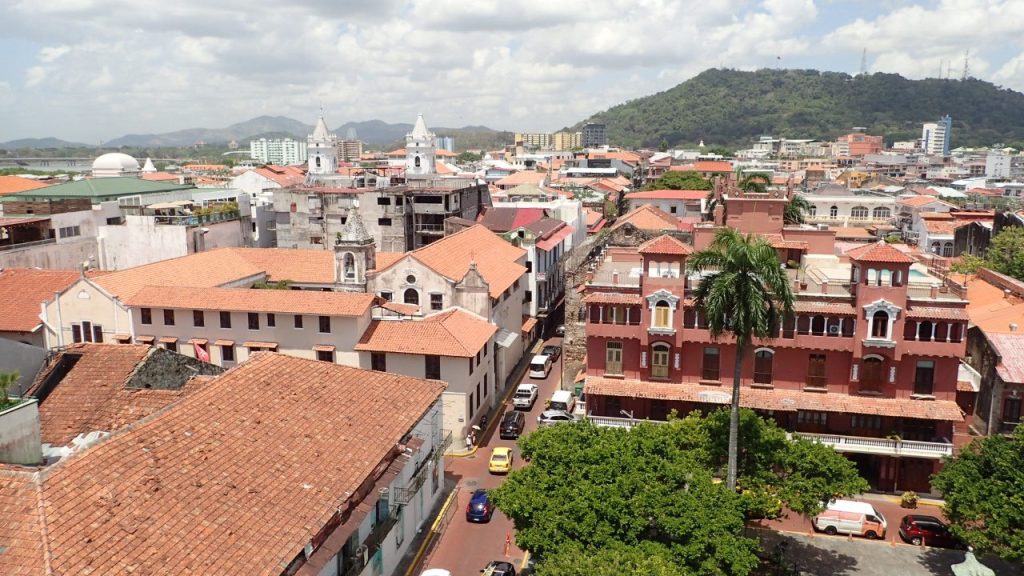
Panama
Hello Family and Friends,
It’s been a while since the last post from Japan, but we are at it again. In fact, we are on a ship heading to Jamaica, but that’s a blog for another day.
Here’s the link:
https://v2.travelark.org/travel-blog-entry/wdtraveltime/18/1775315565
comment code: dorway
A Little Missive About a Big Canal
The Panama Canal was great and we hope you enjoy this post. We are playing catchup on this day at sea, so expect more to follow.
Here’s the link:
https://v2.travelark.org/travel-blog-entry/wdtraveltime/18/1775941645

Comment code: dorway
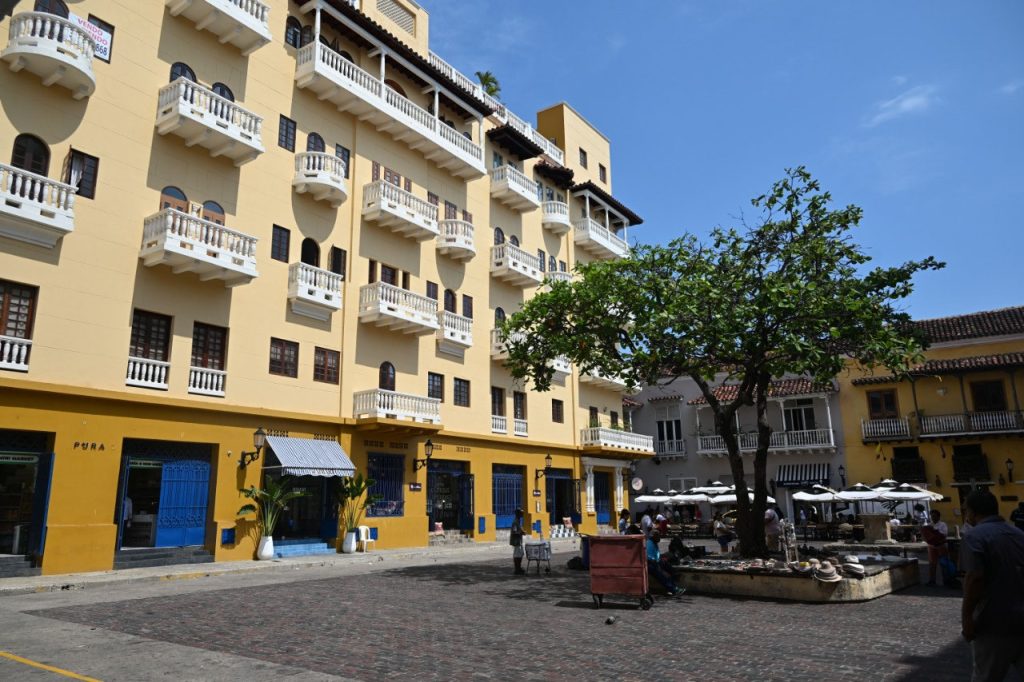
Post from Cartagena
Today we are all day at sea and playing blog catchup instead of bellying up to the buffet. So, here’s a blast about our short visit to beautiful Cartagena, Colombia.
Here’s the link:
https://v2.travelark.org/travel-blog-entry/wdtraveltime/18/1775941787
Comment code: dorway
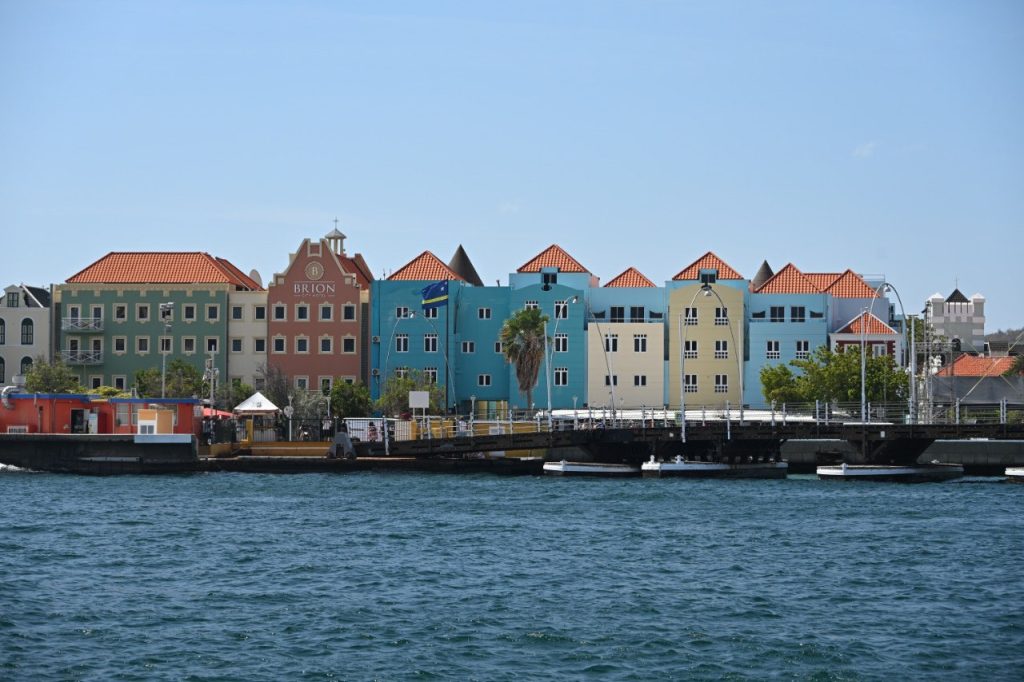
Curacao and Aruba
This post is about two beautiful Caribbean Islands with Dutch histories. We hope you enjoy it.
Here’s the link:
https://v2.travelark.org/travel-blog-entry/wdtraveltime/18/1775942254
Comment code: dorway
Last Blog of the Trip
Hello All,
Well, this should be enough to satisfy even most determined of readers. If not may I suggest War and Peace? Thanks for all the comments it is fun to read them.
Regards to each and every one of you,
Here’s the link:
https://v2.travelark.org/travel-blog-entry/wdtraveltime/18/1775942571

comment code: dorway
Blessings on you all and your families,
Doranne and Wayne
1454 Seaview
.

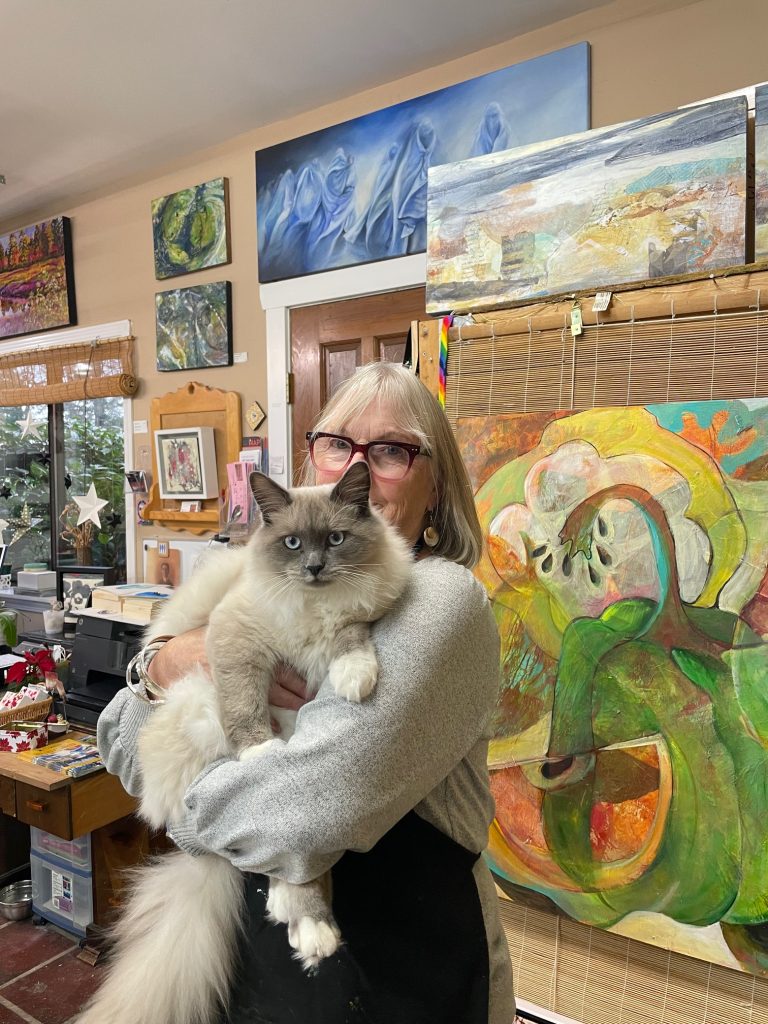
Meet Miro — the gentle giant with an artistic soul 🎨🐾
Miro lives with his owner, Kathi, and his name is a nod to the famous artist Joan Miró, who was known for his playful, abstract depictions of cats. It’s a fitting name, because this cat is truly a masterpiece in his own right!
If you ever find yourself doing a double take at what looks like a very large cat strolling by, don’t worry—you’re not imagining things. It might just be Miro! As a Ragdoll Cat, he’s already tipping the scales at nearly 16 pounds… and he’s not even a year old yet.
When he’s not turning heads with his impressive size, Miro can be found hunting down his favourite treasures: hairbands and tiny springs, which he expertly tucks away under carpets like a furry little magician.
But what really makes Miro shine is his friendly nature. He especially loves when Kathi hosts art classes in her studio—more people means more attention, and Miro is always happy to mingle with the students and soak it all in.
Art, charm, and a whole lot of fluff—Miro truly has it all!
Kathi Rudko – 1479 Seaview
Note: We are looking for content for small stories and it would be fun to have profiles of the pets on the street. Please feel free to take a few pictures of your pet along with some words about him/her and send it to seaviewbreezecommunity@gmail.com.
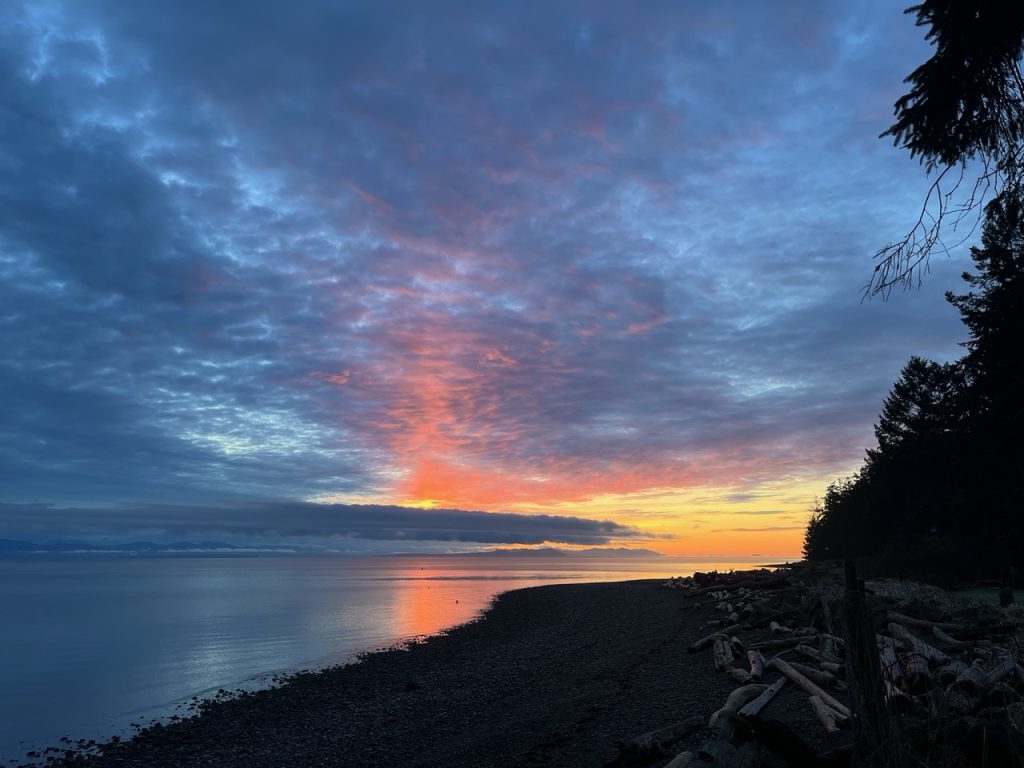
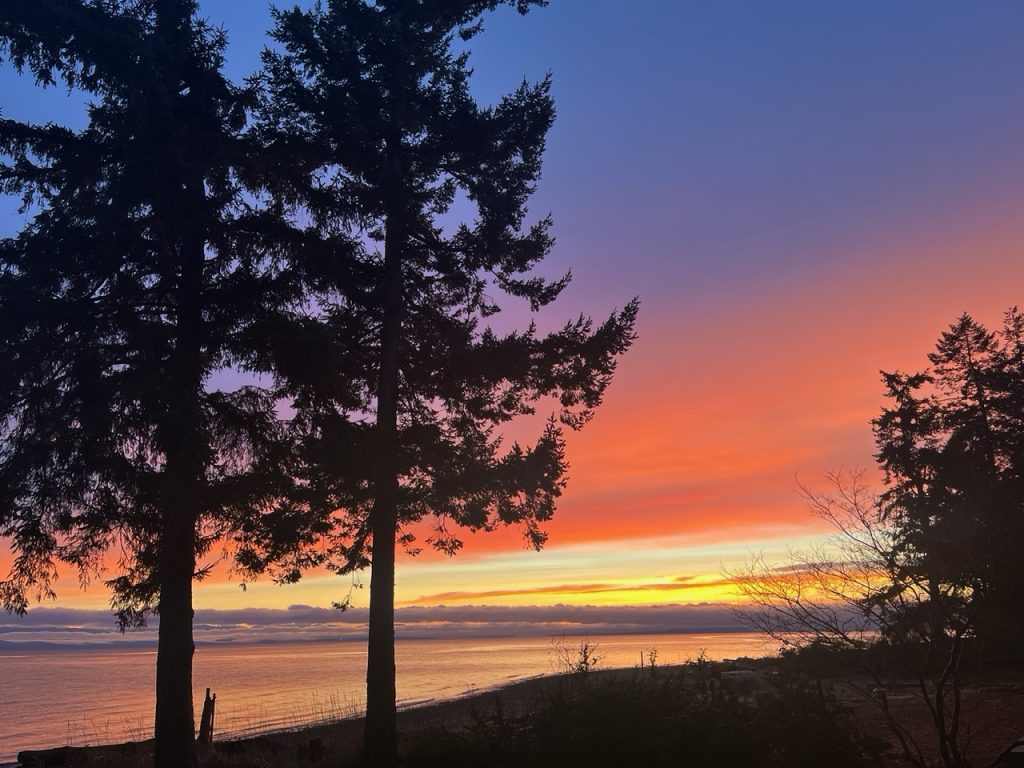
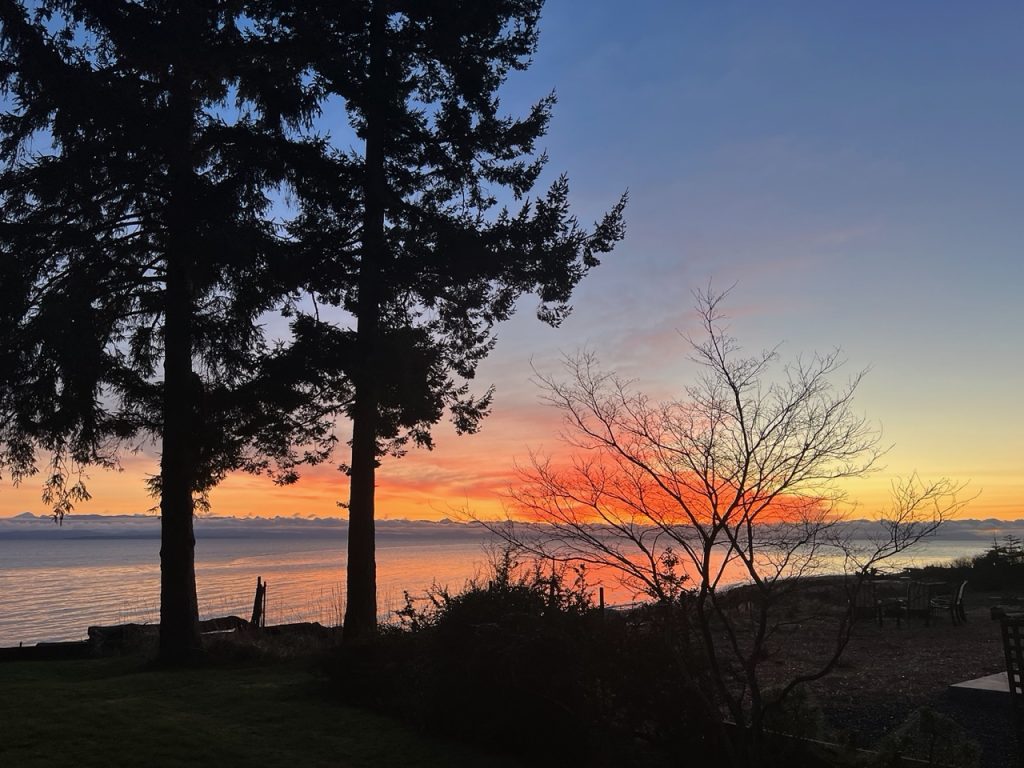
Craig Hoskins has chosen to share some of the spectacular sunrises as of late. Enjoy!